

Sharing preventive health tips for families is a great way to start building better habits
Integrating preventive health into our family routine is not just a “to-do” item; it is one of the most valuable investments we can make. I have learned—sometimes through intense life experiences—that our physical and mental well-being is the most important asset we possess. It is not something to be neglected; it is something to be nurtured, protected, and observed with intention every single day.
Sharing these pillars of wellness is my way of contributing to a lifestyle where families can build solid habits, moving away from reactivity and toward a life of greater quality, consistency, and sovereignty.
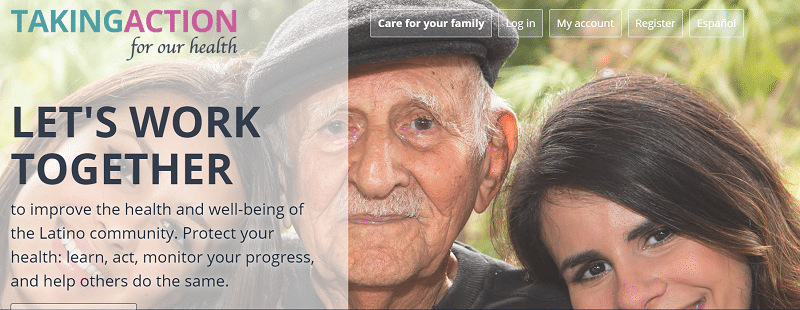
The Power of Prevention
The best medicine is the one we practice before we actually need it. Routine medical check-ups, even when we feel perfectly fine, are an act of self-love and personal responsibility. Taking the time to monitor your body and mind is, in essence, the decision to take the reins of your own future.
Four Pillars for a Healthier Life
Regardless of the frenetic pace of daily life, there are four fundamental areas where we can focus our energy to maintain balance:
- Awareness and Prevention: Knowing your health indicators (such as glucose levels or blood pressure) allows you to make informed decisions about your nutrition and lifestyle.
- Routine Screenings: Do not wait until you feel unwell to visit a professional. Routine check-ups are the most effective tool to detect any imbalance early.
- Heart Health: Small, consistent changes—such as prioritizing natural foods and staying active—make a significant difference in your long-term vitality.
- Emotional Health: Never underestimate the power of restorative rest, mental clarity, and stress management. A home with emotional balance is, by definition, a healthier home.
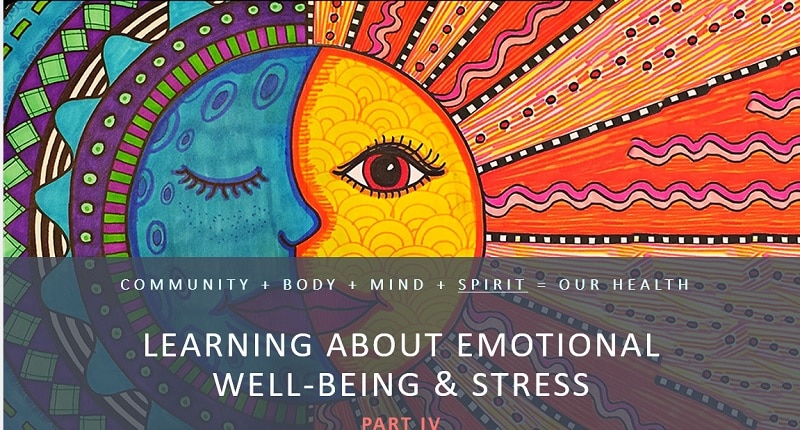
Practical Steps for Your Family
Health does not have to be complex or overwhelming. Here are simple ways to integrate self-care into your daily life:
- Wellness Journal: Keep a simple family health log where you note dates of check-ups, questions for your doctor, or any changes you observe.
- Shared Calendar: Use a physical or digital calendar to schedule annual medical appointments for all family members.
- Open Conversations: Normalize talking about how everyone feels—physically and emotionally—during meal times or quiet moments together.
Conclusion: Small Steps, Lasting Health
You do not need a medical degree to take action or to care for those you love. Start today, stay informed, trust your intuition, and make your well-being—and that of your family—a non-negotiable priority. Building this foundation is the path toward a stronger, more equitable, and freer life





Leave a Reply